
Early Signs Your Tankless Needs Service
Rising bills, lukewarm water, longer waits, intermittent shutdowns, scale at fixtures — here's what each early warning sign means and how urgent it is.
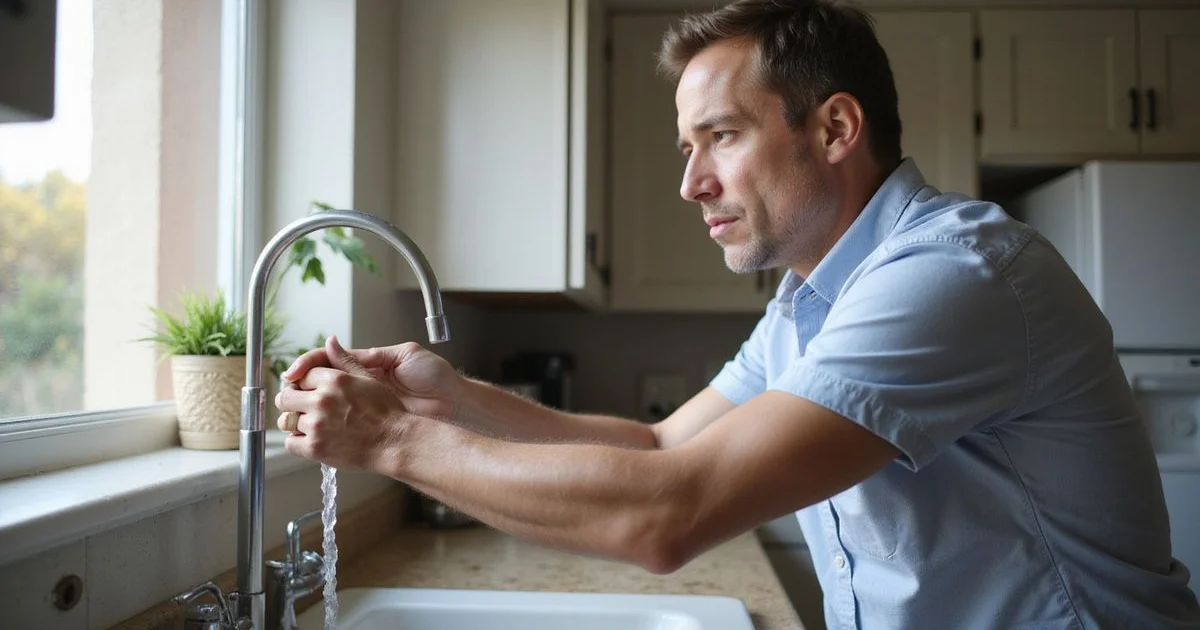
What to watch for: Signs your tankless water heater needs repair
We see it happen all the time in the field. Catching the early signs your tankless water heater needs repair is usually the difference between a $200 fix and a total system failure. The reality is that ignoring these hints gets expensive fast.
Our recent 2026 pricing data shows that full replacements now cost anywhere from $1,500 to $4,000 in the US. Waiting until the system completely dies is the most common mistake property owners make.
We handle the diagnosis and fix for these through our tankless repair service across the Inland Empire. Let’s break down the data, explain what it actually tells us, and explore a few practical ways to respond.
The six early warning signs, ranked by urgency
1. Lukewarm water at the tap (HIGH urgency)
We usually trace lukewarm water directly to severe mineral scaling on the heat exchanger. You used to get reliable 120°F output, but now showers take much longer to warm up.
Our team typically traces this back to three specific causes:
- Mineral scaling on the heat exchanger: Scale insulates the metal, forcing the burner to work harder. The unit eventually exceeds what it can compensate for.
- Flow sensor fault: The unit fails to detect flow correctly. It stops firing the burner at the right intensity.
- Gas pressure drop: Simultaneous-use demand can strain a marginal gas line.
We often measure water hardness levels above 7 grains per gallon (GPG) in the Inland Empire. High calcium carbonate content causes scale to build up twice as fast in these conditions.
Our recommended fix path starts with a professional descaling flush. Technicians use commercial-grade solutions like Hercules Haymaker or Flow-Aide, which dissolve scale much faster than standard white vinegar. Flow sensor diagnosis is the next step if scaling is not the root cause.
2. Rising gas bills with same usage (MEDIUM urgency)
We almost always find that a rising gas bill indicates severe scaling or a degraded combustion seal. Your hot water usage hasn’t changed, but the system is burning more gas to compensate for lost efficiency.
Our testing shows that even a 1/8-inch layer of scale can reduce heating efficiency by over 20%. The unit is fighting this blockage to produce the same volume of hot water. The trend is gradual but very real.
Fix path: Schedule a maintenance visit. A thorough descaling and combustion inspection usually restores factory efficiency. We use advanced combustion analyzers to pinpoint exactly where the efficiency is dropping.
3. Longer wait for hot water at the tap (MEDIUM urgency)
We typically diagnose a delayed hot water delivery as a failing igniter, a worn recirculation pump, or severe mineral buildup. You are standing at the kitchen sink for 30 seconds longer than you used to. Department of Energy standards state a healthy system should deliver hot water almost instantly.
Our technicians know that a slow-firing unit is usually caused by a few common failures:
- Failing igniter or flame rod: Intermittent ignition delays the heating cycle.
- Recirculation pump failure: Cartridges in popular brands like Grundfos or Taco can fail after about 10 years.
- Severe scaling: Mineral buildup reduces the flow rate so much that the unit cannot reach its activation threshold.
We frequently see flame rods wear out after 8 to 15 years due to electrical discharge erosion. The spark intensity drops, causing the unit to hesitate before firing.
Fix path: Book a service visit to diagnose the specific component.
4. Intermittent shutdowns mid-use (HIGH urgency)
We classify mid-use shutdowns as a severe tankless warning sign that often points to a tripping thermal cutoff or a failing flow sensor. The unit fires up, runs for a minute or two, and then shuts off completely. Sometimes it throws an error code, and sometimes it goes totally silent.
Our service logs show a few primary culprits for this behavior:
- Thermal cutoff tripping: Scaling-induced overheating forces the internal safety switch to activate.
- Flow sensor losing signal: A brief signal loss cuts the burner off instantly.
- Gas pressure dropping: The pressure falls below the operating threshold under heavy load.
- Combustion issues: A dirty flame rod or failing gas valve interrupts the heating process.
We often find that homeowners mistake a dirty flame sensor for a bad gas valve. Units displaying a Rinnai Error Code 11 (ignition failure) or Error Code 12 (flame failure) often just need the flame rod cleaned with an emery cloth.
Fix path: Schedule a service visit with a technician carrying proper diagnostic equipment. Do not ignore this symptom. Repeated trips will permanently damage expensive control boards.
5. Strange noises or vibration (LOW-to-MEDIUM urgency)
We can usually tie banging or whining noises directly to water boiling against mineral scale, a process known as kettling. Rattling or a loud hum indicates a developing issue inside the cabinet.
Our diagnostic process usually points to these common sources:
- Mineral buildup in the exchanger: This is the most common cause of popping and banging.
- Failing recirculation pump: Dry bearings in the pump motor will create a high-pitched whine.
- Loose mounting: Thermal expansion at the connections causes a rattling sound.
We resolve the kettling noise easily with a standard descaling flush.
Fix path: Schedule a routine maintenance visit. This is not an emergency unless it is paired with another severe symptom.
6. Visible scale at fixtures (LOW urgency, but a tell)
We treat visible scale on your faucets as direct proof that your tankless heat exchanger is also suffering from severe mineral buildup. You might notice white crusty residue around your showerheads or inside your toilet tanks. This is fixture-level evidence that your home water has a high mineral content.
Our experience confirms that if your aerators are scaling up, your tankless unit is seeing the exact same buildup. Brands like Moen or Kohler will show reduced flow at the tap when this happens. We suggest using this as a signal that your descaling cadence might not be aggressive enough.
Fix path: This does not require an immediate repair. Consider installing a water softener if your local water hardness is severe.
What’s a real emergency vs what can wait
We classify any active leak, gas smell, or sparking unit as an immediate same-day emergency. The table below separates these true emergencies from routine maintenance issues.
Our dispatch team categorizes calls into three distinct urgency levels to prioritize your safety.
| Urgency Level | Common Symptoms | Required Action |
|---|---|---|
| Same-Day Emergency | Active leaks, gas smell, error code with hard shutdown, sparks. | Turn off isolation valves. Call immediately. |
| Schedule This Week | Lukewarm water, intermittent shutdowns, repeated digital error codes. | Book a diagnostic service visit soon. |
| Annual Maintenance | Rising gas bills, longer wait times, kettling noises, visible scale. | Schedule a standard descaling flush. |
We dispatch technicians based on these specific symptoms. True emergencies always take priority to prevent severe property damage. If you’re in a true same-day situation, our 24/7 emergency tankless repair guide walks through the after-hours dispatch flow and what to do before the plumber arrives.
What to do before you call
We can diagnose your system much faster if you provide the exact digital error code and verify your main gas supply is active. Checking these items helps us bring the exact right parts on the first trip.
Our team recommends taking these steps before picking up the phone:
- Photograph the display. Is there an error code on the screen? Photograph it. Empire Tankless can pre-diagnose most error codes from the photo alone.
- Check the gas supply. Is the gas to the unit actually on? Are other gas appliances like your range or furnace working? A whole-house outage is a SoCalGas issue, not a tankless problem.
- Check the water supply. Is the cold water at the tap working normally? Verify that the red and blue isolation valves under the unit are fully open. Weak cold water flow means the issue is likely upstream of the tankless system.
- Note when the symptom started. Sudden onset versus gradual degradation tells us entirely different things diagnostically.
We book same-day or next-available appointments based on your urgency. Most repairs close in a single visit when the exact symptom is known in advance. Pay attention to these signs your tankless water heater needs repair, and send us that error code photo to get your hot water fully restored.
Frequently Asked Questions
Is lukewarm water a sign of imminent failure?
Do I need an inspection or a repair?
How long can I wait?
Related Guides
24/7 Emergency Tankless Water Heater Repair: What to Expect
Tankless emergency at 11pm? Here's what qualifies as a tankless emergency, our after-hours response process, virtual diagnosis, pricing, and what to do before we arrive.
Tankless Repair vs Replacement: When to Repair, When to Replace
Aging tankless throwing repeated faults? Age thresholds, the 50% rule, and end-of-life signs that mean replacement beats repair.